

Hey there! As an electric meter supplier, I've dealt with all sorts of customers and their unique needs. One question that pops up quite often is how electric meters in mobile homes differ from those in regular homes. Well, let's dive right into it and break down the key differences.
Installation and Space Constraints
First off, mobile homes have some serious space limitations. Unlike regular homes, where you've got plenty of room to install a meter box and all the necessary wiring, mobile homes are, well, mobile! They're designed to be compact and lightweight, which means there's not a whole lot of extra space for bulky equipment.
For regular homes, the electric meter is usually installed outside on the side of the house, in a dedicated meter box. There's enough space to run the electrical wires from the power grid to the meter and then into the house's electrical panel. It's a pretty straightforward setup.
But in mobile homes, things are a bit different. The meter has to be installed in a way that doesn't take up too much space inside the home. That often means using smaller, more compact meters that can be mounted in a tight spot. Sometimes, they're installed on the outside of the mobile home, but in a more discreet location to keep the overall look of the home clean and uncluttered.
Power Consumption and Load Requirements
Another big difference between mobile homes and regular homes is the amount of power they use. Regular homes typically have a wider range of electrical appliances and systems, like central air conditioning, large refrigerators, and multiple televisions. This means they need a higher capacity electric meter to handle the increased load.
On the other hand, mobile homes usually have fewer and smaller appliances. They might have a smaller fridge, a window air conditioner, and a few basic electronics. As a result, the power consumption in mobile homes is generally lower, and they can get away with a lower capacity electric meter.
For example, a regular home might require a 200-amp electric meter to handle all its electrical needs, while a mobile home might only need a 100-amp or even a 60-amp meter. This not only saves on the cost of the meter itself but also reduces the overall electrical load on the mobile home's electrical system.
Mobility and Portability
As the name suggests, mobile homes are meant to be moved. This means that the electric meter needs to be designed in a way that allows for easy disconnection and reconnection when the home is transported. In regular homes, the electric meter is usually a permanent fixture, and once it's installed, it stays there for the life of the house.
Mobile home electric meters often have quick-connect features that make it easy to disconnect the power when the home is being moved. They also need to be rugged enough to withstand the vibrations and jolts that come with transportation. Some mobile home meters are even designed to be completely portable, so they can be easily carried and installed at a new location.
Meter Types and Technology
When it comes to meter types, both mobile homes and regular homes can use either analog or digital meters. However, there are some differences in the technology used in each.
Regular homes often have more advanced digital meters that can provide detailed information about power consumption, such as real-time usage, peak and off-peak rates, and even remote monitoring capabilities. These meters are usually connected to the utility company's network, allowing for more accurate billing and better energy management.
Mobile homes, on the other hand, might use simpler analog meters or basic digital meters. Since they have lower power consumption and fewer complex electrical systems, they don't always need the advanced features of a high-end digital meter. However, there are still some mobile home owners who prefer the convenience of a digital meter, especially if they want to keep track of their energy usage more closely.
Compatibility with Electrical Systems
The electrical systems in mobile homes and regular homes also have some differences that can affect the choice of electric meter. Regular homes typically have a standard electrical system that follows local building codes and regulations. This means that the electric meter needs to be compatible with the specific voltage, frequency, and wiring configuration of the home's electrical system.
Mobile homes, on the other hand, might have a slightly different electrical system. They often use a lower voltage (usually 120/240 volts) and a different wiring setup to accommodate their smaller size and portability. As a result, the electric meter for a mobile home needs to be specifically designed to work with these unique electrical systems.
Cost and Affordability
Cost is always a factor when it comes to choosing an electric meter. Generally speaking, mobile home electric meters are less expensive than those for regular homes. This is because they have a lower capacity, are smaller in size, and don't require as many advanced features.
For mobile home owners on a budget, this can be a significant advantage. They can get a reliable electric meter at a more affordable price, which helps to keep the overall cost of living in a mobile home down. However, it's important to note that the cost of the meter is just one part of the equation. There are also installation costs, maintenance costs, and the cost of any additional equipment or services that might be required.
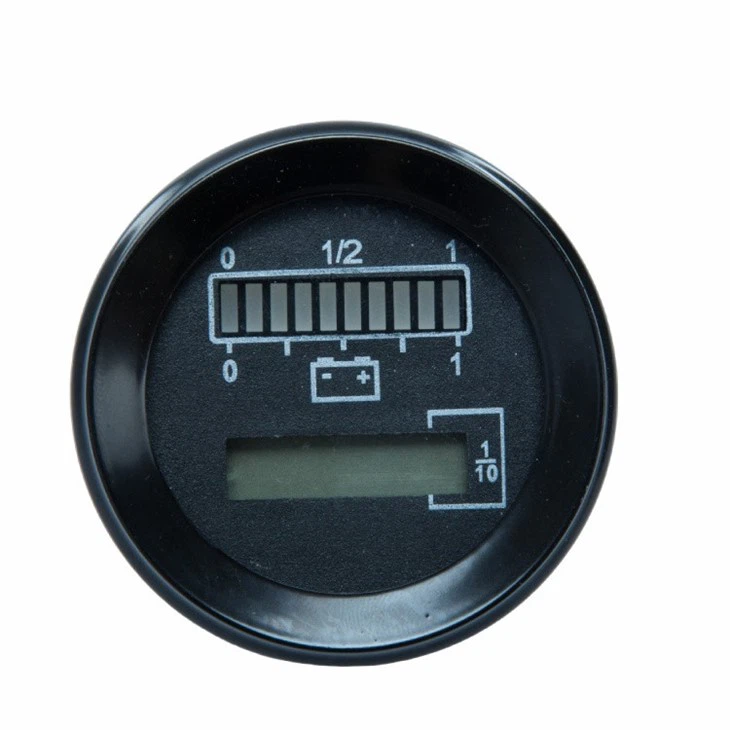

Our Product Recommendations
At our company, we offer a range of electric meters that are suitable for both mobile homes and regular homes. For mobile homes, we recommend our Battery Discharge Indicator ESDL906. This compact and reliable meter is designed to handle the lower power consumption of mobile homes and is easy to install and maintain.
If you're looking for a more advanced option, our Battery Discharge Indicator ESDL803 is a great choice. It offers digital readouts and some basic monitoring features, allowing you to keep track of your energy usage more effectively.
Contact Us for Purchasing and Consultation
If you're in the market for an electric meter for your mobile home or regular home, we'd love to hear from you. Whether you have questions about our products, need help choosing the right meter for your specific needs, or want to discuss purchasing options, our team of experts is here to assist you. We understand the unique requirements of both mobile homes and regular homes and can provide you with personalized solutions that meet your budget and energy management goals.
Don't hesitate to reach out to us for a consultation. We're committed to providing high-quality electric meters and excellent customer service. Let's work together to find the perfect electric meter for your home.
References
- Electrical Safety Foundation International. (n.d.). Electrical Systems in Mobile Homes.
- National Electrical Code. (n.d.). Requirements for Electric Meters in Residential Buildings.


