

Power outages are an inevitable part of life, and they can have a significant impact on the operation of electric meters. As an electric meter supplier, I've received numerous inquiries about how electric meters resume normal operation after a power outage. In this blog post, I'll delve into the technical aspects of this process, exploring the mechanisms and procedures that ensure your meters get back up and running smoothly.
Understanding the Basics of Electric Meters
Before we discuss the resumption of normal operation, it's essential to understand the basic functions of an electric meter. Electric meters are devices used to measure the amount of electrical energy consumed by a household or business. They come in various types, including electromechanical meters and electronic meters. Electromechanical meters use rotating disks to measure energy consumption, while electronic meters rely on digital circuits and sensors.
In the event of a power outage, both types of meters are affected. However, the recovery process can differ significantly depending on the meter's design and features.
How Electromechanical Meters Recover
Electromechanical meters are relatively simple in design. They consist of a rotating disk that is driven by the flow of electrical current. When a power outage occurs, the disk stops rotating, and the meter essentially freezes in its current state.
Once the power is restored, the electromechanical meter resumes normal operation almost immediately. The rotating disk starts spinning again as soon as the electrical current begins to flow. Since these meters do not rely on internal batteries or complex electronics, there is no need for a reset or calibration after a power outage. The meter continues to measure energy consumption accurately from the point where it left off.
Electronic Meters: A More Complex Recovery Process
Electronic meters, on the other hand, are more sophisticated and rely on internal batteries and digital circuits to function. These meters offer several advantages over electromechanical meters, including greater accuracy, the ability to measure multiple parameters, and the option for remote monitoring.
However, the complexity of electronic meters means that the recovery process after a power outage is more involved. Here's a step-by-step breakdown of how electronic meters resume normal operation:
1. Battery Backup Activation
Most electronic meters are equipped with a battery backup system. This battery provides power to the meter's internal circuits during a power outage, ensuring that critical functions such as data storage and communication are maintained. When the power goes out, the battery kicks in automatically, allowing the meter to continue operating in a limited capacity.
The battery backup system also helps to protect the meter's internal memory. Without a battery backup, a power outage could cause the meter to lose important data, such as the current energy consumption reading or historical usage patterns.
2. Power Restoration Detection
Once the power is restored, the meter's internal circuitry detects the change in voltage and begins the recovery process. This detection mechanism is designed to be sensitive enough to recognize even a brief interruption in power, ensuring that the meter can respond quickly and accurately.
3. Self-Testing and Calibration
After detecting the power restoration, the meter performs a series of self-tests to ensure that all components are functioning correctly. These tests may include checking the integrity of the internal circuits, verifying the accuracy of the sensors, and testing the communication interfaces.
In some cases, the meter may also need to recalibrate itself to ensure accurate energy measurement. This calibration process may involve comparing the meter's readings with a known reference or using internal algorithms to adjust the measurement parameters.
4. Data Synchronization
Once the self-tests and calibration are complete, the meter synchronizes its internal data with the utility company's system. This step is crucial for ensuring that the energy consumption readings are accurate and up-to-date.
During a power outage, the meter may have stored energy consumption data locally in its internal memory. After the power is restored, the meter transmits this data to the utility company's server, where it is integrated with the overall billing and monitoring system.
5. Normal Operation Resumed
After completing all the necessary tests, calibration, and data synchronization, the meter resumes normal operation. It continues to measure energy consumption accurately and transmit the data to the utility company at regular intervals.
Special Considerations for Advanced Meters
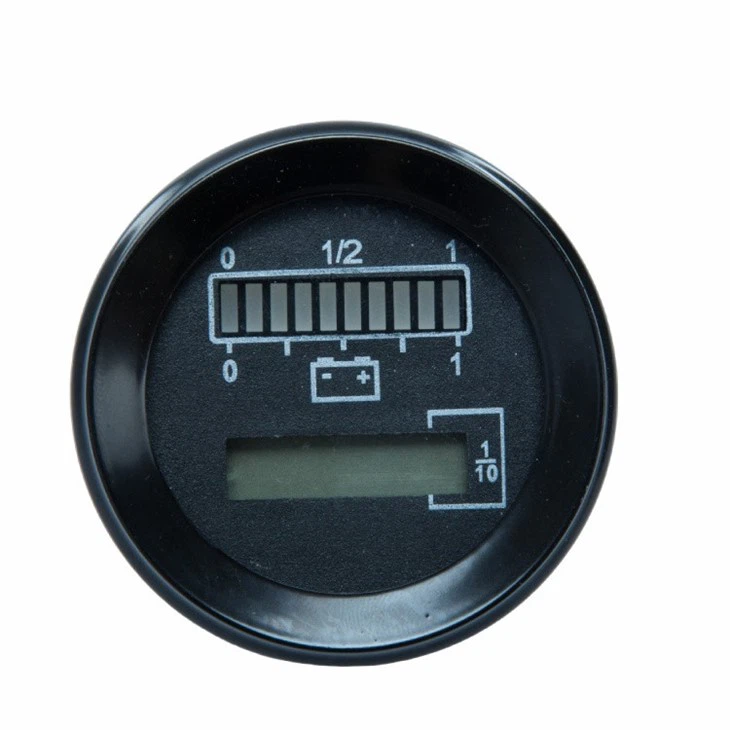
In addition to the standard recovery process, some advanced electronic meters may have additional features and capabilities that affect their operation after a power outage. For example, some meters are equipped with a Battery Discharge Indicator ESDL803 or Battery Discharge Indicator ESDL906, which provides real-time information about the battery's state of charge.
These indicators can be useful for monitoring the health of the battery backup system and ensuring that it is functioning properly. If the battery is nearing the end of its life or has been discharged during a power outage, the indicator will alert the user or the utility company, allowing them to take appropriate action.
Ensuring a Smooth Recovery
As an electric meter supplier, I understand the importance of ensuring a smooth recovery process for your meters after a power outage. Here are some tips to help you minimize the impact of power outages on your electric meters:
- Regular Maintenance: Schedule regular maintenance checks for your electric meters to ensure that they are in good working condition. This includes inspecting the battery backup system, testing the communication interfaces, and verifying the accuracy of the energy measurements.
- Battery Replacement: Replace the batteries in your electronic meters at regular intervals to ensure that they have sufficient power to operate during a power outage. Follow the manufacturer's recommendations for battery replacement to ensure optimal performance.
- Remote Monitoring: Consider using a remote monitoring system to keep track of your electric meters' performance. This allows you to detect any issues or anomalies in real-time and take appropriate action before they cause significant problems.
- Training and Education: Provide training and education to your staff or customers on how to properly operate and maintain electric meters. This includes understanding the recovery process after a power outage and knowing what to do in case of an emergency.
Conclusion
Power outages can be a challenge for electric meters, but with the right design and features, they can resume normal operation quickly and accurately. Whether you're using electromechanical or electronic meters, understanding the recovery process is essential for ensuring the reliable and efficient operation of your electrical system.

As an electric meter supplier, I'm committed to providing high-quality products and services that meet the needs of my customers. If you have any questions or concerns about how your electric meters resume normal operation after a power outage, please don't hesitate to contact me. I'd be happy to discuss your specific requirements and provide you with the information and support you need.
If you're interested in purchasing electric meters or learning more about our products and services, I encourage you to reach out to me for a procurement discussion. We can work together to find the best solutions for your energy measurement needs.
References
- Electric Power Research Institute (EPRI). (2018). "Advanced Metering Infrastructure: A Guide for Utilities and Consumers."
- International Electrotechnical Commission (IEC). (2016). "IEC 62052-11: Electricity Meters - General Requirements, Tests and Test Conditions - Part 11: Metering Equipment (Class Indexes)."
- National Institute of Standards and Technology (NIST). (2019). "Handbook 44 - Specifications, Tolerances, and Other Technical Requirements for Weighing and Measuring Devices."


