

Electromagnetic interference (EMI) is a significant concern in the operation of electric meters. As a professional electric meter supplier, I understand the importance of protecting these devices from EMI to ensure accurate measurements and reliable performance. In this blog post, I will share some effective strategies and measures that I often recommend to safeguard electric meters from electromagnetic interference.
Understanding Electromagnetic Interference
Before delving into the protection methods, it is crucial to understand what electromagnetic interference is. EMI refers to the disruption of the normal operation of an electrical or electronic device by an electromagnetic field. This field can be generated by various sources, such as power lines, radio transmitters, electrical motors, and even other electronic devices in the vicinity. When an electric meter is exposed to EMI, it can lead to inaccurate readings, data loss, or even complete malfunction of the device.

Sources of Electromagnetic Interference
There are two main types of electromagnetic interference sources: natural and man - made.
Natural Sources
Natural sources of EMI include lightning strikes and solar flares. Lightning generates a powerful electromagnetic pulse (EMP) that can travel through power lines and affect electric meters. Solar flares, on the other hand, release a large amount of charged particles into space. When these particles interact with the Earth's magnetic field, they can induce electrical currents in power grids and communication lines, causing interference to electric meters.
Man - made Sources
Man - made sources of EMI are more common in our daily lives. Industrial equipment such as large motors, generators, and welding machines can produce strong electromagnetic fields. Radio and television transmitters, mobile phone base stations, and Wi - Fi routers also emit electromagnetic waves that may interfere with electric meters. In addition, power electronics devices like variable - speed drives and switching power supplies are known to generate high - frequency noise that can affect the accuracy of electric meters.
Impact of Electromagnetic Interference on Electric Meters
The effects of EMI on electric meters can be quite severe. Inaccurate readings are the most obvious consequence. EMI can cause the meter to over - or under - estimate the electricity consumption, leading to incorrect billing for customers. This not only affects the trust between the utility company and the customers but also may result in financial losses for both parties.
Data integrity is another critical issue. Electric meters often collect and transmit data for monitoring and management purposes. EMI can corrupt this data, making it unreliable for analysis and decision - making. In some cases, severe EMI can even cause the meter to malfunction completely, requiring costly repairs or replacements.
Strategies to Protect Electric Meters from Electromagnetic Interference
Shielding
Shielding is one of the most effective ways to protect electric meters from EMI. A shield is a conductive material, such as copper or aluminum, that is used to enclose the electric meter. The shield acts as a barrier, preventing the electromagnetic waves from reaching the sensitive components inside the meter.
There are two main types of shielding: electrostatic shielding and electromagnetic shielding. Electrostatic shielding is used to block static electric fields, while electromagnetic shielding is designed to block both electric and magnetic fields. For electric meters, a combination of both types of shielding is often used.
The shield should be properly grounded to ensure its effectiveness. Grounding provides a path for the induced currents in the shield to flow safely to the ground, reducing the risk of interference. When installing the shield, it is important to ensure that there are no gaps or holes in the shielding material, as these can allow electromagnetic waves to penetrate.
Filtering
Filtering is another important technique for protecting electric meters from EMI. Filters are electronic components that are used to remove unwanted frequencies from the electrical signal. They can be installed at the input or output of the electric meter to block the high - frequency noise generated by EMI sources.
There are several types of filters available, such as low - pass filters, high - pass filters, and band - pass filters. Low - pass filters allow only low - frequency signals to pass through, while high - pass filters allow high - frequency signals. Band - pass filters allow a specific range of frequencies to pass. For electric meters, low - pass filters are commonly used to remove the high - frequency noise from the power signal.
Proper Installation
Proper installation of electric meters is also crucial for protecting them from EMI. The meter should be installed in a location away from potential EMI sources. For example, it should be kept at a safe distance from large motors, generators, and radio transmitters.
The wiring of the electric meter should also be carefully planned. The power cables should be routed away from other cables that may carry high - frequency noise. Twisted - pair cables can be used to reduce the electromagnetic coupling between the cables. In addition, the meter should be properly grounded to prevent the build - up of static electricity and to provide a path for the induced currents to flow.
Component Selection
When designing and manufacturing electric meters, the selection of components is very important. Components with high immunity to EMI should be chosen. For example, using shielded cables and connectors can reduce the risk of interference. The printed circuit board (PCB) layout should also be optimized to minimize the electromagnetic coupling between different components.
The Role of Our Electric Meters in EMI Protection
As an electric meter supplier, we take EMI protection very seriously. Our electric meters are designed with advanced shielding and filtering technologies to ensure high immunity to electromagnetic interference. We use high - quality materials and components in the manufacturing process to guarantee the reliability and accuracy of our products.
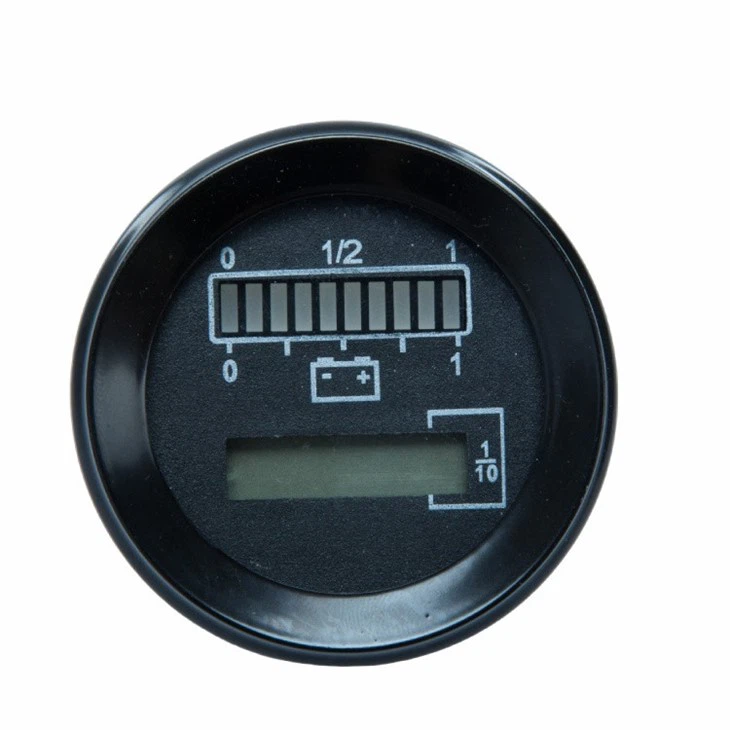
In addition, we offer a range of products that are specifically designed for harsh electromagnetic environments. For example, our Battery Discharge Indicator ESDL906 and Battery Discharge Indicator ESDL803 are equipped with enhanced EMI protection features, making them suitable for use in industrial and outdoor applications where EMI is a major concern.
Conclusion
Protecting electric meters from electromagnetic interference is essential for ensuring accurate measurements, data integrity, and reliable performance. By using strategies such as shielding, filtering, proper installation, and component selection, we can effectively reduce the impact of EMI on electric meters.
As an experienced electric meter supplier, we are committed to providing high - quality products and solutions to our customers. Our products are designed to meet the highest standards of EMI protection, ensuring that they can operate reliably in various electromagnetic environments.
If you are interested in our electric meters or have any questions about EMI protection, please feel free to contact us for more information and to discuss your specific requirements. We look forward to the opportunity to work with you and provide you with the best electric meter solutions.
References
- Paul, Clayton R. "Electromagnetic Compatibility for Power Electronics: Principles, Design, and Applications." John Wiley & Sons, 2011.
- Ott, Henry W. "Electromagnetic Compatibility Engineering." John Wiley & Sons, 2009.
- International Electrotechnical Commission (IEC). "Electromagnetic compatibility (EMC) - Part 6 - 2: Generic standards - Immunity for industrial environments." IEC 61000 - 6 - 2, 2016.


