Hey there! As a supplier of forklift battery chargers, I often get asked about how to install these chargers. It's not as complicated as it might seem at first glance, but there are definitely some key steps and considerations to keep in mind. In this blog post, I'm going to walk you through the process of installing a forklift battery charger, so you can get your equipment up and running smoothly.
Step 1: Gather Your Tools and Materials
Before you start the installation process, you'll need to make sure you have all the necessary tools and materials on hand. Here's a list of what you'll typically need:
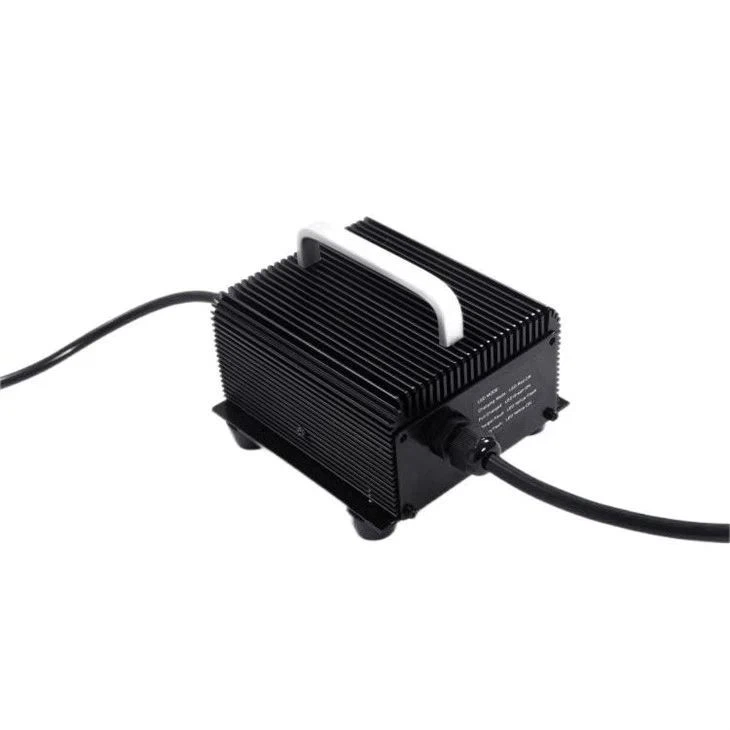
- Forklift battery charger: Of course, you'll need the charger itself. We offer a variety of chargers, including the Portable Industrial Battery Charger For Forklift and the 24V15A Battery Charger With Handle. These chargers are designed to be reliable and efficient, so you can trust them to keep your forklift batteries in top condition.
- Screwdriver set: You'll need a set of screwdrivers to remove and install any covers or panels on the charger or the forklift.
- Wire cutters and strippers: These tools will come in handy when you're connecting the charger to the battery.
- Electrical tape: Use electrical tape to insulate any exposed wires and prevent short circuits.
- Voltmeter: A voltmeter is essential for testing the voltage of the battery and the charger to ensure they're compatible.
Step 2: Choose the Right Location
The location where you install the forklift battery charger is crucial. You want to choose a spot that's well-ventilated, dry, and away from any sources of heat or moisture. Here are some tips to help you find the perfect location:
- Ventilation: Make sure the area has good ventilation to prevent the buildup of heat and fumes. Chargers generate heat during the charging process, so proper ventilation is essential to prevent overheating.
- Dryness: Avoid installing the charger in areas where it might get wet, such as near a water source or in a damp basement. Moisture can damage the charger and pose a safety hazard.
- Accessibility: Choose a location that's easily accessible so you can connect and disconnect the charger from the battery without any hassle. You'll also want to make sure there's enough space around the charger to allow for proper maintenance and inspection.
Step 3: Prepare the Charger
Once you've chosen the location, it's time to prepare the charger for installation. Here's what you need to do:
- Read the manual: Before you start, carefully read the installation manual that came with the charger. The manual will provide you with specific instructions and safety guidelines for your particular model.
- Inspect the charger: Check the charger for any damage or defects. Look for loose wires, cracked casings, or other signs of wear and tear. If you notice any issues, contact the manufacturer or your supplier for assistance.
- Mount the charger: Depending on the type of charger you have, you may need to mount it on a wall or a stand. Follow the instructions in the manual to securely mount the charger in the chosen location.
Step 4: Connect the Charger to the Battery
Now it's time to connect the charger to the forklift battery. This is a critical step, so make sure you follow the instructions carefully to avoid any accidents or damage to the equipment. Here's how to do it:
- Turn off the forklift: Before you start working on the battery, make sure the forklift is turned off and the keys are removed from the ignition. This will prevent any electrical shocks or short circuits.
- Identify the battery terminals: Locate the positive (+) and negative (-) terminals on the battery. The positive terminal is usually marked with a red cap or a plus sign, while the negative terminal is marked with a black cap or a minus sign.
- Connect the charger cables: Connect the charger cables to the corresponding battery terminals. Make sure the connections are tight and secure to prevent any loose connections or arcing.
- Check the polarity: Double-check the polarity of the connections to make sure the positive cable is connected to the positive terminal and the negative cable is connected to the negative terminal. Incorrect polarity can damage the charger and the battery.
Step 5: Test the Charger
Once you've connected the charger to the battery, it's time to test it to make sure it's working properly. Here's what you need to do:
- Turn on the charger: Plug the charger into a power outlet and turn it on. The charger should start displaying the charging status and the voltage readings.
- Check the voltage: Use a voltmeter to check the voltage of the battery and the charger. The voltage readings should be within the recommended range for your particular battery and charger model. If the voltage is too high or too low, there may be a problem with the charger or the battery.
- Monitor the charging process: Keep an eye on the charger and the battery during the charging process. Make sure the charger is operating normally and the battery is charging properly. If you notice any unusual noises, smells, or signs of overheating, stop the charging process immediately and contact the manufacturer or your supplier for assistance.
Step 6: Maintenance and Safety
After you've installed and tested the charger, it's important to perform regular maintenance and follow safety guidelines to ensure its continued performance and safety. Here are some tips to help you keep your charger in top condition:
- Clean the charger: Regularly clean the charger to remove any dust, dirt, or debris that may accumulate on the surface. Use a soft, dry cloth to wipe down the charger and avoid using abrasive cleaners or solvents.
- Inspect the cables: Check the charger cables regularly for any signs of damage or wear. Look for frayed wires, loose connections, or other issues. If you notice any problems, replace the cables immediately.
- Follow safety guidelines: Always follow the safety guidelines provided in the installation manual and on the charger itself. Avoid touching the charger or the battery with wet hands, and never overload the charger or use it with incompatible batteries.
Conclusion
Installing a forklift battery charger may seem like a daunting task, but with the right tools, knowledge, and precautions, it can be a relatively straightforward process. By following the steps outlined in this blog post, you can ensure that your charger is installed correctly and safely, and that your forklift batteries are charged efficiently and effectively.
If you have any questions or need further assistance with installing a forklift battery charger, or if you're interested in purchasing one of our high-quality chargers, such as the Portable Industrial Battery Charger For Forklift, 24V15A Battery Charger With Handle, or Electric Car Industrial Charger, please don't hesitate to contact us. We're here to help you find the right solution for your needs and ensure that you get the most out of your equipment.

References
- Forklift battery charger installation manuals
- Industry standards and guidelines for forklift battery charging