As a leading supplier of forklift battery chargers, we understand the importance of proper storage for these valuable pieces of equipment. A forklift battery charger is a significant investment, and taking good care of it when it's not in use can extend its lifespan, ensure its safety, and maintain its performance. In this blog post, we'll share some essential tips on how to store a forklift battery charger correctly.
1. Clean the Charger Thoroughly
Before storing the forklift battery charger, it's crucial to clean it to remove any dirt, dust, or debris that may have accumulated during its use. Use a soft, dry cloth to wipe the exterior of the charger. If there are stubborn stains, you can slightly dampen the cloth with a mild cleaning solution. However, make sure the charger is completely dry before storing it to prevent corrosion. Pay special attention to the ventilation openings. Blocked ventilation can cause overheating during operation, so ensure they are clear of any obstructions.
2. Disconnect from the Power Source
This may seem obvious, but it's a critical step. Always disconnect the charger from the power outlet when it's not in use. This not only reduces the risk of electrical hazards but also prevents any standby power consumption. Additionally, if the charger is connected to a battery, disconnect the battery cables as well. This helps to avoid any potential electrical discharge or short - circuit situations during storage.
3. Check for Any Damages
Inspect the charger for any visible damages such as cracks in the casing, frayed wires, or loose connections. If you find any issues, it's advisable to have them repaired before storing the charger. A damaged charger can be a safety hazard and may also lead to further problems if not addressed promptly. For example, a frayed wire can expose live electrical parts, increasing the risk of electric shock.
4. Store in a Suitable Environment
Temperature
The ideal storage temperature for a forklift battery charger is between 10°C and 30°C (50°F and 86°F). Extreme temperatures can have a negative impact on the charger's components. High temperatures can cause the internal components to overheat and degrade over time, while low temperatures can make the battery charger less efficient and may even cause damage to the battery cells if the charger is connected to a battery. Avoid storing the charger in areas such as attics, basements prone to flooding, or unheated garages where the temperature can fluctuate significantly.
Humidity
Humidity is another factor to consider. High humidity can lead to corrosion of the charger's metal parts and electrical connections. Aim for a storage area with a relative humidity of less than 60%. If the storage area is prone to high humidity, you can use a dehumidifier to maintain a suitable environment. For example, in coastal areas where humidity levels are typically high, a dehumidifier can be a valuable addition to the storage space.

Ventilation
Proper ventilation is essential to prevent the build - up of heat and moisture. Store the charger in a well - ventilated area. Avoid enclosing it in a sealed container or a tight space where air circulation is restricted. Good ventilation helps to keep the charger at a stable temperature and reduces the risk of condensation.
5. Protect from Physical Damage
Use a Storage Case
Consider using a storage case or a protective cover to shield the charger from physical damage. A sturdy case can protect the charger from impacts, scratches, and dust. If you don't have a dedicated storage case, you can use a thick cardboard box lined with foam or bubble wrap.
Avoid Stacking Heavy Objects
Do not stack heavy objects on top of the charger. The weight can damage the charger's casing and internal components. Make sure the storage area is organized in a way that the charger is not at risk of being crushed.
6. Label and Document
Label the Charger
Label the charger with its model number, serial number, and any other relevant information. This makes it easier to identify the charger in the future, especially if you have multiple chargers in storage. You can use a permanent marker or a label maker to create clear and durable labels.
Keep Documentation
Keep all the documentation related to the charger, such as the user manual, warranty information, and maintenance records. Store these documents in a safe place along with the charger. This documentation can be very useful if you need to refer to the charger's specifications or if you encounter any issues in the future.
7. Periodic Checks
Even during storage, it's a good idea to perform periodic checks on the charger. Every few months, visually inspect the charger for any signs of damage, corrosion, or mold growth. If possible, power on the charger for a short period to ensure it still functions properly. However, make sure to follow all the safety precautions when doing this.
Types of Forklift Battery Chargers and Their Storage Considerations
60V Battery Charger
The 60V Battery Charger is designed to charge forklift batteries with a 60 - volt rating. When storing this type of charger, pay extra attention to the electrical connections. Since it deals with a relatively high voltage, any loose or corroded connections can be extremely dangerous. Make sure to clean and tighten the connections before storage.
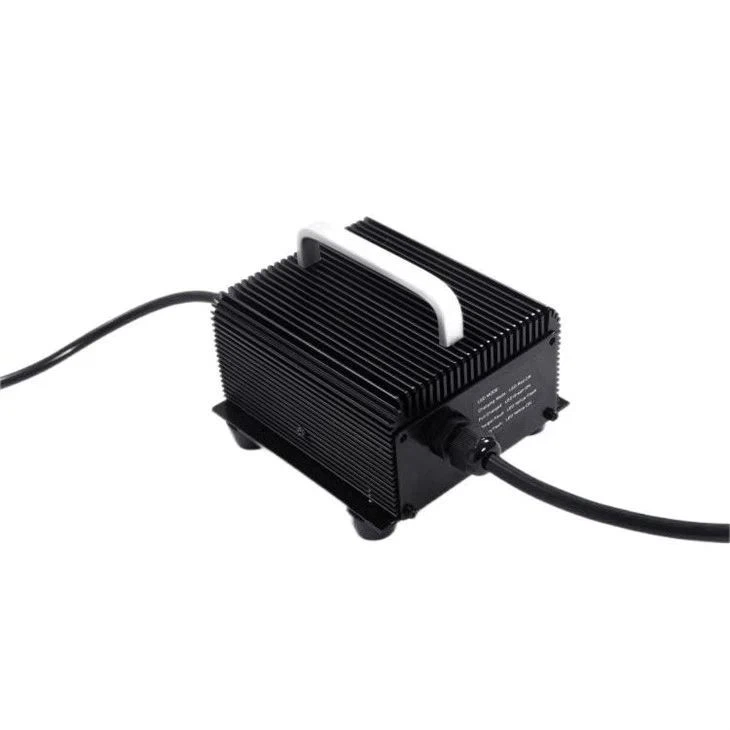
MHE Battery Charger
The MHE Battery Charger is commonly used in material handling equipment. These chargers often have advanced features and complex circuitry. When storing an MHE battery charger, it's important to protect it from electromagnetic interference. Store it away from large electrical appliances or equipment that can generate strong electromagnetic fields.
24V15A Battery Charger With Handle
The 24V15A Battery Charger With Handle is a convenient and portable option. However, the handle can be a weak point if not properly protected. Make sure to store it in a way that the handle is not bent or damaged. Also, due to its portability, it may be more exposed to dirt and dust, so a thorough cleaning before storage is even more important.
Contact Us for Your Forklift Battery Charger Needs
Proper storage of your forklift battery charger is essential for its longevity and performance. As a trusted supplier of forklift battery chargers, we offer a wide range of high - quality chargers to meet your specific needs. Whether you're looking for a 60V battery charger, an MHE battery charger, or a 24V15A battery charger with a handle, we have the right solution for you.
If you have any questions about our products or need advice on forklift battery charger storage, please don't hesitate to contact us. We're here to help you make the most of your investment in forklift battery chargers. Reach out to us for a detailed discussion and explore our product range for a seamless purchasing experience.
References
- "Forklift Battery Charger Maintenance Guide", Industrial Equipment Association.
- "Best Practices for Storing Electrical Equipment", Electrical Safety Foundation International.
- Manufacturer's manuals for various forklift battery chargers.