

Testing an 80V battery charger is a crucial process to ensure its safety, efficiency, and proper functionality. As a supplier of 80V battery chargers, I understand the importance of comprehensive testing to meet the high - standards of our customers. In this blog, I'll share a detailed guide on how to test an 80V battery charger.
Pre - testing Preparations
Before starting the actual testing, it's essential to gather the necessary tools and ensure a safe testing environment.
Tools Required
- Multimeter: This is a fundamental tool for measuring voltage, current, and resistance. A good quality multimeter with a high - voltage range is necessary for testing an 80V charger.
- Load Bank: A load bank is used to simulate the battery load. It allows you to test the charger under different load conditions.
- Insulation Tester: This tool is used to check the insulation resistance of the charger, which is important for safety reasons.
- Thermometer: To monitor the temperature of the charger during operation, as overheating can indicate a problem.
Safety Precautions
- Isolate the Charger: Make sure the charger is disconnected from the power source before starting any testing.
- Wear Protective Gear: Use insulated gloves and safety glasses to protect yourself from potential electrical hazards.
- Test in a Well - Ventilated Area: This helps prevent the build - up of heat and any potentially harmful gases.
Visual Inspection
The first step in testing an 80V battery charger is a thorough visual inspection.
Physical Condition
- Check for Damage: Look for any visible signs of damage such as cracks, burns, or loose connections on the charger's housing, cables, and connectors.
- Verify Component Integrity: Inspect all the internal components, such as capacitors, resistors, and transistors, for signs of damage or overheating.
Label and Documentation
- Read the Manual: Familiarize yourself with the charger's specifications, operating instructions, and safety warnings provided in the user manual.
- Check Labels: Ensure that all the labels on the charger are legible and accurate, including the voltage, current, and frequency ratings.
Electrical Testing
Voltage Testing
- No - Load Voltage: Connect the multimeter to the output terminals of the charger with no load attached. The measured voltage should be within the specified range of the charger. For an 80V charger, the no - load voltage might be slightly higher than 80V, typically around 82 - 85V, depending on the charger's design.
- Load Voltage: Connect the load bank to the charger and set it to a specific load. Measure the output voltage again. As the load increases, the voltage should remain relatively stable within the acceptable tolerance range.
Current Testing
- Output Current: Use the multimeter to measure the output current of the charger. Start with a low load and gradually increase it while monitoring the current. The charger should be able to supply the rated current without exceeding its limits.
- Charging Current Limitation: Check if the charger has a built - in current limitation feature. This can be tested by gradually increasing the load until the charger reaches its maximum current output and then observing if it maintains a stable current.
Resistance Testing
- Insulation Resistance: Use an insulation tester to measure the insulation resistance between the charger's live parts and the ground. A high insulation resistance value (usually in the order of megohms) indicates good insulation and reduces the risk of electrical shock.
- Internal Resistance: Although more difficult to measure accurately, the internal resistance of the charger can be estimated by measuring the voltage drop across the charger's output terminals under different load conditions.
Functional Testing
Charging Cycle Testing
- Connect a Battery: Connect a suitable 80V battery to the charger and start the charging process. Monitor the charging parameters such as voltage, current, and temperature throughout the charging cycle.
- Charging Stages: Observe if the charger goes through the different charging stages correctly, such as the bulk charge, absorption charge, and float charge stages. Each stage should have the appropriate voltage and current settings.
Overcharge and Over - discharge Protection Testing
- Overcharge Protection: To test the overcharge protection, allow the charger to charge the battery continuously until it reaches its maximum capacity. The charger should automatically stop charging or switch to a lower voltage mode to prevent overcharging.
- Over - discharge Protection: This can be tested by discharging the battery to a low voltage level and then connecting it to the charger. The charger should be able to detect the low voltage and start the charging process safely without causing any damage to the battery.
Fault Detection and Alarm Testing
- Simulate Faults: Try to simulate common faults such as short - circuits, over - voltage, and over - current conditions. The charger should be able to detect these faults and trigger an alarm or shut down automatically to protect the battery and the charger itself.
Temperature Testing
During the charging process, the temperature of the charger can rise. It's important to monitor the temperature to ensure that the charger does not overheat.
Temperature Monitoring
- Use a Thermometer: Place a thermometer near the critical components of the charger, such as the power transistors and the transformer. Measure the temperature at regular intervals during the charging cycle.
- Temperature Limits: Compare the measured temperature with the manufacturer's specified temperature limits. If the temperature exceeds the limits, it could indicate a problem with the charger's cooling system or internal components.
Compatibility Testing
An 80V battery charger should be compatible with different types of 80V batteries.
Battery Type Compatibility
- Test with Different Batteries: Try using the charger with different types of 80V batteries, such as lead - acid, lithium - ion, and nickel - cadmium batteries. The charger should be able to charge each type of battery safely and efficiently according to its specific charging requirements.
- Battery Capacity Compatibility: Test the charger with batteries of different capacities. The charger should be able to adjust its charging parameters accordingly to ensure proper charging for all battery capacities.
Conclusion
Testing an 80V battery charger is a comprehensive process that involves visual inspection, electrical testing, functional testing, temperature testing, and compatibility testing. By following these steps, you can ensure that the charger is safe, efficient, and meets the required standards.
As a supplier of 80V battery chargers, we are committed to providing high - quality products. Our chargers, such as the Smart Forklift Battery Charger, Electric Car Industrial Charger, and 48V On Board Battery Charger, are rigorously tested to ensure optimal performance.
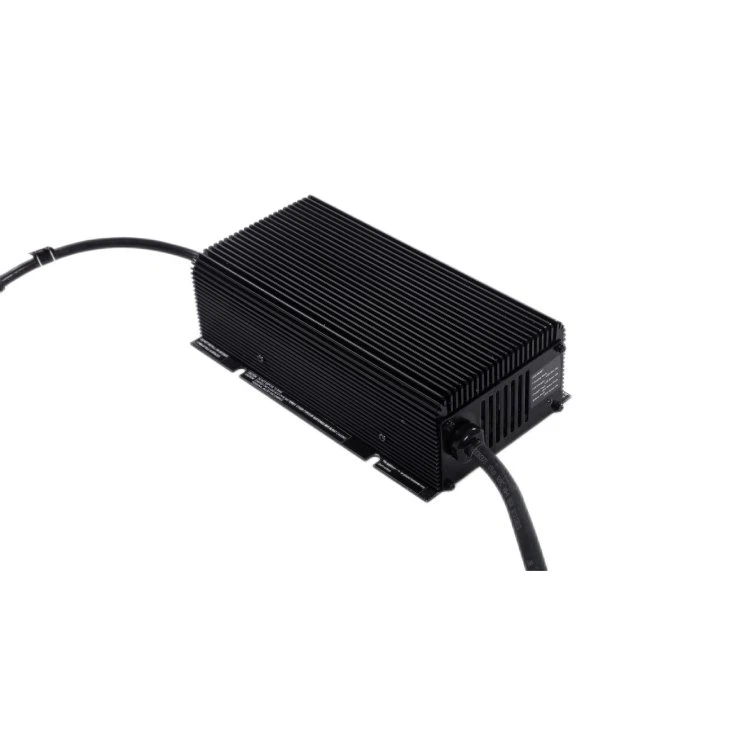

If you are interested in our 80V battery chargers or have any questions about the testing process, please feel free to contact us for further discussion and potential procurement. We are always ready to provide you with the best solutions for your battery charging needs.
References
- Battery Charger Handbook, various editions
- Electrical Safety Standards for Battery Chargers, relevant industry standards


