A forklift battery charger is a crucial component in maintaining the efficiency and longevity of forklift batteries. When it malfunctions, it can disrupt operations and lead to significant downtime. As a forklift battery charger supplier, I understand the frustration and challenges that come with a non - working charger. In this blog, I'll share some comprehensive troubleshooting steps to help you get your charger up and running again.

1. Initial Checks
Before diving into complex troubleshooting, start with some basic checks. These are simple steps that can often identify and resolve the issue quickly.
Power Supply
The first thing to check is the power supply. Ensure that the charger is properly plugged into a functioning electrical outlet. You can test the outlet by plugging in another device, such as a lamp, to confirm that it has power. Sometimes, a loose connection or a tripped circuit breaker can be the root cause. Check the circuit breaker panel and reset any tripped breakers.
Visual Inspection
Perform a thorough visual inspection of the charger. Look for any obvious signs of damage, such as frayed wires, cracked casings, or burnt components. If you notice any physical damage, it's likely that the charger needs to be repaired or replaced. Pay special attention to the power cord, as it is often exposed to wear and tear.
2. Check the Battery
The problem might not always lie with the charger itself. The battery could be the culprit.
Battery Connections
Inspect the battery connections to ensure they are clean, tight, and free of corrosion. Corroded connections can prevent the charger from delivering power to the battery effectively. Use a wire brush to clean any corrosion from the battery terminals and cable ends. Make sure the connections are tightened securely, but be careful not to overtighten, as this can damage the terminals.
Battery Health
Test the battery's voltage using a multimeter. A fully charged forklift battery should have a specific voltage range depending on its type and size. If the battery voltage is significantly lower than the expected range, it might be discharged or damaged. In some cases, a deeply discharged battery might not accept a charge immediately. Try using a battery desulfator or a lower - voltage charger to revive the battery.
3. Analyze Charger Indicators
Most modern forklift battery chargers come with indicator lights or displays that can provide valuable information about the charger's status.
Indicator Lights
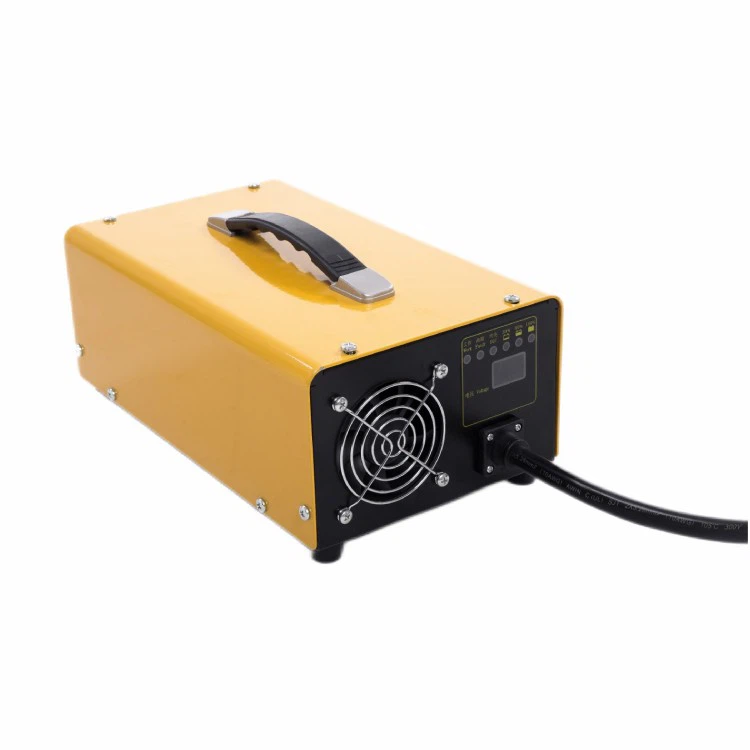
Check the indicator lights on the charger. Different lights may indicate different conditions, such as charging, fully charged, or a fault. Refer to the charger's user manual to understand the meaning of each light. For example, a red light might indicate a fault, while a green light could mean the charger is operating normally. If a fault light is illuminated, the manual will often provide a troubleshooting guide for that specific error code.
Display Messages
If the charger has a digital display, read any messages that appear. These messages can give you detailed information about the charger's operation and any issues it has detected. Some chargers can display error codes, which can be used to diagnose the problem more accurately. Write down the error code and refer to the manual for troubleshooting steps.
4. Examine the Charger Settings
Incorrect charger settings can also cause the charger not to work properly.
Voltage and Amperage Settings
Ensure that the charger is set to the correct voltage and amperage for the forklift battery. Using the wrong settings can result in overcharging, undercharging, or no charging at all. Refer to the battery manufacturer's specifications to determine the appropriate settings. For example, if you have a 36V Portable Battery Charger, make sure it is set to charge a 36 - volt battery.
Charge Mode
Some chargers offer different charge modes, such as fast charge, slow charge, or maintenance charge. Select the appropriate charge mode based on the battery's condition and your operational needs. Using the wrong charge mode can lead to improper charging and potential damage to the battery.
5. Test the Charger Output
If all the above steps have not resolved the issue, you may need to test the charger's output.
Use a Multimeter
Set your multimeter to the appropriate voltage range and connect the probes to the charger's output terminals. With the charger plugged in and turned on, measure the output voltage. Compare the measured voltage with the charger's specifications. If the output voltage is significantly different from the specified value, the charger may have a problem with its internal circuitry.
Check for Continuity
Use the multimeter to check for continuity in the charger's wiring. Disconnect the charger from the power source and test the wires for breaks or shorts. A break in the wiring can prevent the charger from delivering power, while a short circuit can cause the charger to malfunction or even pose a safety hazard.
6. Seek Professional Help
If you have followed all the troubleshooting steps and still cannot get the charger to work, it's time to seek professional help.
Manufacturer Support
Contact the charger's manufacturer for technical support. They can provide you with more in - depth troubleshooting advice and may be able to diagnose the problem based on the information you provide. They may also offer repair services or replacement parts.
Professional Repair Technician
You can also hire a professional forklift battery charger repair technician. These technicians have the expertise and tools to diagnose and repair complex charger problems. They can perform advanced tests on the charger's internal components and ensure that it is repaired correctly.
In conclusion, troubleshooting a non - working forklift battery charger requires a systematic approach. By starting with basic checks, analyzing the battery and charger indicators, and testing the charger's output, you can often identify and resolve the issue. If you need a reliable forklift battery charger, we offer a wide range of products, including the 36V Portable Battery Charger, 48V On Board Battery Charger, and Portable Industrial Battery Charger For Forklift. If you are interested in our products or have any questions, feel free to contact us for procurement and negotiation.
References
- Forklift Battery Charger User Manuals
- Industry Standards for Forklift Battery Chargers
- Technical Bulletins from Forklift Battery and Charger Manufacturers