

As a seasoned supplier of wiring harnesses, I've encountered a wide array of issues with these critical components. One of the most challenging problems to diagnose and fix is intermittent problems in wiring harnesses. These issues can be particularly frustrating because they don't occur consistently, making them difficult to pin down. In this blog post, I'll share some insights on how to troubleshoot a wiring harness with intermittent problems, drawing from my years of experience in the industry.
Understanding Intermittent Wiring Harness Problems
Intermittent problems in wiring harnesses can manifest in various ways. You might notice that certain electrical components in a vehicle or system work sporadically, such as lights flickering, motors stalling, or sensors providing inconsistent readings. These issues are often caused by loose connections, damaged wires, or corrosion within the harness.
One of the primary challenges with intermittent problems is that they can be difficult to reproduce. The issue might occur only under specific conditions, such as when the vehicle is vibrating, the temperature changes, or the wiring harness is under stress. This makes it crucial to have a systematic approach to troubleshooting to identify and resolve the problem effectively.

Step 1: Visual Inspection
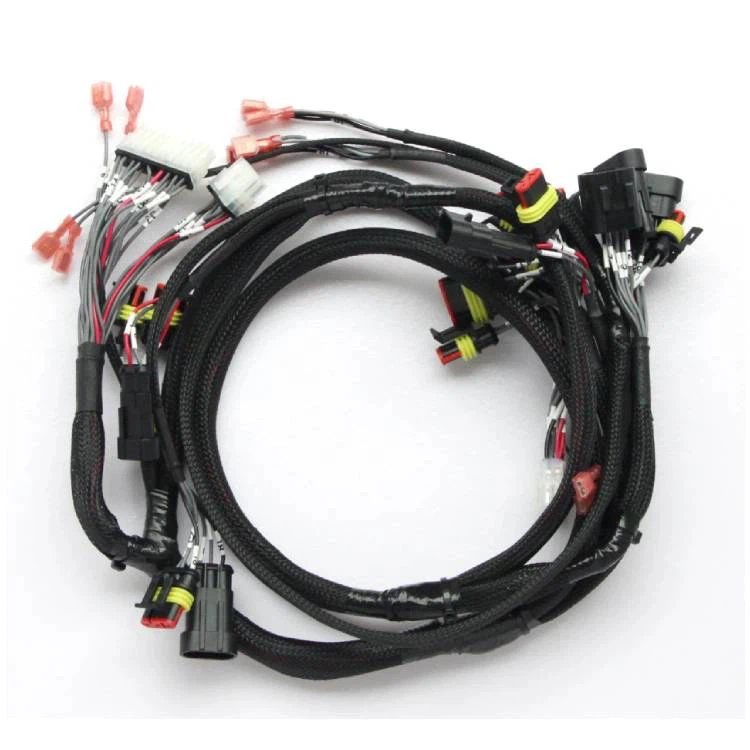
The first step in troubleshooting a wiring harness with intermittent problems is to conduct a thorough visual inspection. Start by examining the entire length of the harness for any visible signs of damage, such as frayed wires, broken insulation, or loose connectors. Pay close attention to areas where the harness is likely to be exposed to stress, such as near moving parts or areas prone to vibration.
Check the connectors for signs of corrosion or damage. Corrosion can cause poor electrical contact, leading to intermittent problems. If you notice any corrosion, clean the connectors using a suitable electrical contact cleaner and a wire brush. Make sure to dry the connectors thoroughly before reconnecting them.
Inspect the insulation of the wires for any signs of wear or damage. If you find any damaged insulation, it's important to repair or replace the affected wires to prevent short circuits or other electrical issues. You can use electrical tape or heat shrink tubing to repair minor damage to the insulation.
Step 2: Check for Loose Connections
Loose connections are a common cause of intermittent problems in wiring harnesses. To check for loose connections, gently wiggle the connectors and wires while monitoring the electrical components for any changes in operation. If you notice that the problem occurs or disappears when you wiggle a particular connector or wire, it's likely that the connection is loose.
Tighten any loose connectors and make sure they are properly seated. If the connectors are damaged or worn, consider replacing them to ensure a secure and reliable connection. You can also use a connector lock or a zip tie to prevent the connectors from coming loose in the future.
Step 3: Use a Multimeter
A multimeter is a valuable tool for troubleshooting wiring harnesses with intermittent problems. It can be used to measure the voltage, resistance, and continuity of the wires and components in the harness. Start by setting the multimeter to the appropriate mode for the measurement you want to take.
To check for continuity, disconnect the power source and connect the multimeter probes to the two ends of the wire you want to test. If the multimeter displays a reading close to zero, it means that the wire is continuous and there is no break in the circuit. If the multimeter displays an infinite reading, it means that there is a break in the wire and it needs to be repaired or replaced.
To measure the voltage, connect the multimeter probes to the appropriate terminals of the electrical component or wire you want to test. Make sure the power source is turned on and the component is operating. Compare the measured voltage with the specified voltage for the component. If the measured voltage is significantly different from the specified voltage, it could indicate a problem with the wiring harness or the electrical component.
Step 4: Perform a Load Test
A load test can help you determine if the wiring harness is capable of handling the electrical load required by the components. To perform a load test, connect the electrical component to the wiring harness and apply a load to the component. Monitor the voltage and current readings using a multimeter while the component is under load.
If the voltage drops significantly or the current exceeds the specified rating, it could indicate a problem with the wiring harness. This could be due to a high resistance in the wires, a loose connection, or a damaged component. In this case, you may need to replace the wiring harness or repair the affected wires.
Step 5: Consider the Environment
The environment in which the wiring harness operates can also contribute to intermittent problems. For example, extreme temperatures, moisture, and vibration can all cause damage to the wiring harness over time. If the wiring harness is exposed to harsh environmental conditions, it's important to take appropriate measures to protect it.
You can use protective sleeves or conduit to shield the wiring harness from moisture and physical damage. Make sure the wiring harness is properly routed and secured to prevent it from rubbing against sharp edges or moving parts. Additionally, consider using high-quality wiring harnesses that are designed to withstand the specific environmental conditions of your application.
Step 6: Consult the Wiring Diagram
A wiring diagram is a valuable resource for troubleshooting a wiring harness with intermittent problems. It provides a detailed schematic of the electrical system, including the location and connection of each wire and component. By referring to the wiring diagram, you can identify the specific wires and components that are involved in the problem and trace the circuit to find the source of the issue.
Make sure you have a copy of the correct wiring diagram for your application. If you're unsure which wiring diagram to use, consult the manufacturer's documentation or contact their technical support team for assistance.
Step 7: Seek Professional Help
If you've followed all the steps above and still can't identify or resolve the intermittent problem in the wiring harness, it may be time to seek professional help. A qualified automotive electrician or electrical engineer has the expertise and specialized equipment to diagnose and repair complex wiring harness problems.
When choosing a professional, make sure they have experience working with wiring harnesses and the specific type of electrical system you're dealing with. Ask for references and check their credentials to ensure they are qualified to handle the job.
Conclusion
Troubleshooting a wiring harness with intermittent problems can be a challenging task, but by following a systematic approach and using the right tools, you can identify and resolve the issue effectively. Remember to start with a visual inspection, check for loose connections, use a multimeter to measure voltage and continuity, perform a load test, consider the environment, consult the wiring diagram, and seek professional help if needed.
At our company, we specialize in providing high-quality wiring harnesses for a wide range of applications. Our 3 Phase Type 2 Cable, Type 2 3 Phase Charging Cable, and Headlamp Wiring Harness are designed to meet the highest standards of quality and reliability. If you're experiencing problems with your wiring harness or need to purchase a new one, we'd be happy to assist you. Contact us today to discuss your requirements and explore how our products can meet your needs.
References
- "Automotive Electrical Systems" by William H. Crouse and Donald L. Anglin
- "Electrical Wiring and Troubleshooting" by Robert N. Thompson
- Manufacturer's documentation for wiring harnesses and electrical components


