

Hey there! As a supplier of 12V 15A battery chargers, I often get asked about the difference between a 12V 15A charger and a 12V 10A charger. Well, let's dive right in and break it down.
First off, let's talk about the basics. The "12V" part in both chargers refers to the voltage. Voltage is like the pressure that pushes the electric current through a circuit. In simple terms, it's the force that gets the electricity moving. So, both the 12V 15A and 12V 10A chargers are designed to provide a 12 - volt electrical potential to charge batteries that are compatible with this voltage. This means they can charge the same types of 12 - volt batteries, like those used in some small vehicles, boats, or certain electronic devices.
Now, the big difference lies in the "A" part, which stands for amperes or amps. Amps measure the amount of electric current flowing through the charger and into the battery. A 12V 15A charger can deliver 15 amperes of current, while a 12V 10A charger can only deliver 10 amperes.
Charging Speed
One of the most noticeable differences between the two chargers is the charging speed. The 12V 15A charger, with its higher amperage, can charge a battery much faster than the 12V 10A charger. Think of it like filling up a bucket with water. If you have a big hose (the 15A charger), water will flow into the bucket much quicker than if you use a smaller hose (the 10A charger).
For example, let's say you have a 12 - volt battery with a capacity of 60 amp - hours. Using a 12V 10A charger, it would take approximately 6 hours to fully charge the battery (60 amp - hours divided by 10 amps). But if you use a 12V 15A charger, it would only take about 4 hours (60 amp - hours divided by 15 amps). So, if you're in a hurry and need to get your battery charged up quickly, the 12V 15A charger is the way to go.
Heat Generation
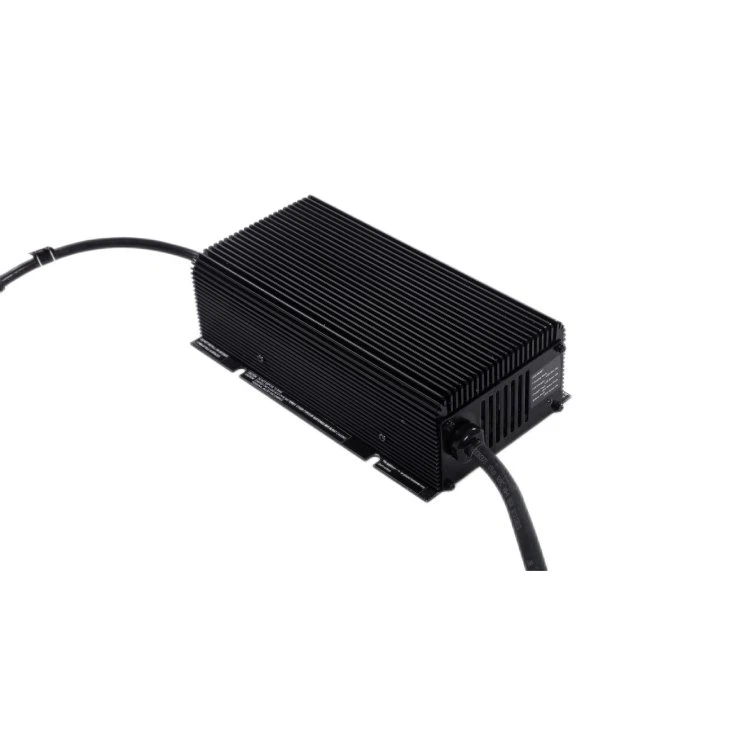
Another aspect to consider is heat generation. Chargers produce heat as they convert electrical energy into a form that can be stored in the battery. The 12V 15A charger, because it's pushing more current through the circuit, will generally generate more heat than the 12V 10A charger. This isn't necessarily a bad thing, but it does mean that the 15A charger might need better ventilation or cooling mechanisms to prevent overheating. Overheating can not only reduce the lifespan of the charger but also potentially damage the battery being charged.
Compatibility
When it comes to compatibility, most 12 - volt batteries that can handle a 10A charging current can also handle a 15A charging current. However, it's important to check the battery's specifications. Some older or more delicate batteries might have a maximum charging current limit of 10A. Using a 12V 15A charger on such a battery could cause damage to the battery cells, reducing their lifespan or even rendering the battery useless.

Power Consumption
The power consumption of the chargers also differs. Power (in watts) is calculated by multiplying voltage by current (P = V x I). So, a 12V 10A charger consumes 120 watts (12 volts x 10 amps), while a 12V 15A charger consumes 180 watts (12 volts x 15 amps). This means that using a 12V 15A charger will cost you a bit more in terms of electricity bills over time, especially if you're charging batteries frequently.
Applications
The choice between a 12V 15A and a 12V 10A charger also depends on the application. If you're using the charger in a professional setting where time is money, like in a forklift charging station, a 12V 15A charger can significantly reduce downtime. For example, Aerial Work Platform Chargers often require quick charging to keep the equipment operational.
On the other hand, if you're using the charger for personal use at home and you're not in a rush to charge your battery, a 12V 10A charger might be sufficient. It's also a good option for charging batteries that are more sensitive to high - current charging.
Cost
Generally, 12V 15A chargers are more expensive than 12V 10A chargers. This is because they are designed to handle higher currents, which requires more robust components and better heat - dissipation systems. However, if the faster charging speed is worth the extra cost for your specific needs, then it might be a worthy investment.
Safety Features
Both types of chargers should come with essential safety features like over - charge protection, short - circuit protection, and reverse - polarity protection. But a 12V 15A charger might have more advanced safety features due to the higher current it handles. These features are crucial to protect both the charger and the battery from damage.
In conclusion, the main difference between a 12V 15A charger and a 12V 10A charger boils down to charging speed, heat generation, power consumption, compatibility, and cost. If you need a quick charge and your battery can handle it, the 12V 15A charger is the better choice. But if you're not in a hurry and want to save on electricity costs or have a more delicate battery, the 12V 10A charger might be the way to go.
If you're in the market for a reliable 12V 15A battery charger, we've got you covered. Our chargers are designed with the latest technology and come with top - notch safety features. We also offer a wide range of other chargers, such as 48V On Board Battery Charger and 24V Industrial MHE Charger With Handle. If you're interested in purchasing or have any questions, feel free to reach out to us. We're here to help you find the perfect charger for your needs.
References
- Battery charging principles and safety guidelines from industry standards.
- Technical specifications of various 12 - volt batteries and chargers.


