Hey there! As a supplier of electric meters, I often get asked about how long these little gadgets can actually last. So, I thought I'd sit down and write this blog to share what I know about the lifespan of an electric meter.
First off, let's talk about what an electric meter is and what it does. An electric meter is a device that measures the amount of electrical energy consumed by a home or business. It's like a little accountant for your electricity usage, keeping track of every kilowatt - hour that passes through the wires.
Now, the lifespan of an electric meter can vary quite a bit depending on a few different factors. One of the biggest factors is the type of electric meter. There are two main types: electromechanical meters and electronic meters.
Electromechanical meters are the old - school kind. They've got moving parts, like a spinning disk that rotates at a speed proportional to the electricity flow. These meters have been around for a long time, and they were the standard for many years. But because they have moving parts, they're more prone to wear and tear. On average, an electromechanical meter can last anywhere from 15 to 20 years. Over time, the mechanical components can start to break down, which can lead to inaccurate readings. And let's face it, inaccurate readings aren't good for anyone - neither the consumers who want to know exactly how much electricity they're using, nor the utility companies that rely on accurate data for billing.
On the other hand, electronic meters are the new kids on the block. They use solid - state technology, which means there are no moving parts. Instead, they use electronic circuits to measure electricity usage. This makes them more reliable and less likely to break down. Electronic meters typically have a longer lifespan, usually between 20 and 30 years. They're also more accurate than electromechanical meters, which is a huge plus. With the advancement of technology, electronic meters can now do all sorts of fancy things, like communicate with the utility company remotely, provide real - time usage data to consumers, and even detect power outages.
Another factor that affects the lifespan of an electric meter is the environment in which it's installed. If the meter is installed in a harsh environment, like an area with extreme temperatures, high humidity, or lots of dust and dirt, it's going to have a shorter lifespan. For example, in a hot and humid climate, the internal components of the meter can corrode more quickly. Similarly, if the meter is exposed to a lot of dust, it can clog up the ventilation holes and cause the meter to overheat. So, proper installation and maintenance are crucial to ensure the longevity of the meter.
Proper maintenance also plays a big role. Utility companies usually have a maintenance schedule for their electric meters. They'll check the meters periodically to make sure they're working properly. This might involve cleaning the meters, checking for any signs of damage, and calibrating them if necessary. If a meter is well - maintained, it's more likely to last longer.
Now, let me tell you a bit about some of the products we offer. We have some really great battery discharge indicators, like the Battery Discharge Indicator ESDL906 and the Battery Discharge Indicator ESDL803. These indicators are designed to work in conjunction with electric meters in some applications. They help in monitoring the battery status, which is important for backup power systems and other situations where battery - powered operation is involved.
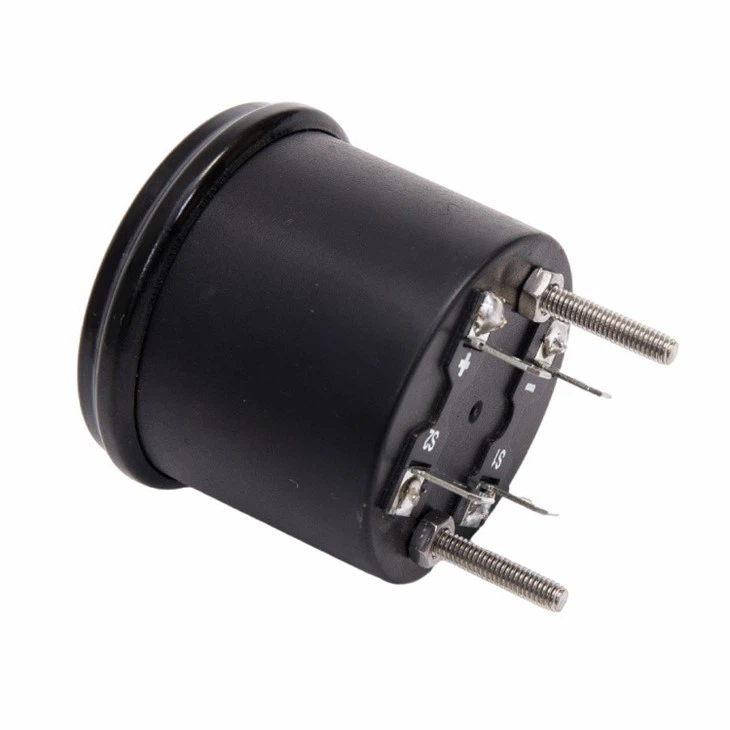

When it comes to replacing an electric meter, it's not always a straightforward decision. Utility companies usually have a policy on when to replace meters. Sometimes, they'll replace meters based on their age, even if they're still working fine. This is because they want to ensure that they're using the most accurate and up - to - date technology. Other times, they'll replace a meter if it's malfunctioning or giving inaccurate readings.
For consumers, it's also important to be aware of the lifespan of their electric meters. If you notice that your electricity bill seems unusually high or low, it could be a sign that your meter is not working properly. In that case, you should contact your utility company to have the meter checked.
In addition to the factors I've already mentioned, technological advancements can also influence the lifespan of electric meters. As new and better technologies emerge, utility companies may decide to replace older meters with the latest models. For example, the introduction of smart meters, which can provide detailed real - time data about electricity usage, has led many utility companies to upgrade their meter infrastructure. Smart meters can communicate with the utility company wirelessly, which makes it easier for them to manage the grid and for consumers to monitor their usage.
So, to sum it up, the lifespan of an electric meter depends on its type, the environment it's in, and how well it's maintained. Electromechanical meters generally last 15 - 20 years, while electronic meters can last 20 - 30 years. And with the right care and the advancements in technology, these meters can serve us well for a long time.
If you're in the market for electric meters or related products like the battery discharge indicators I mentioned earlier, I'd love to talk to you. Whether you're a utility company looking to upgrade your meter infrastructure or a consumer interested in a more accurate way to monitor your electricity usage, we've got the products and expertise to meet your needs. Don't hesitate to reach out for a chat about your requirements and how we can help you.
References
- Electrical Engineering textbooks on power measurement and metering
- Industry reports on the development and lifespan of electric meters
- Technical specifications of our Battery Discharge Indicator ESDL906 and ESDL803