As a supplier of 24V forklift chargers, ensuring the safe transportation of our products is of utmost importance. In this blog post, I'll share some practical tips and guidelines on how to transport a 24V forklift charger safely.
Understanding the Nature of 24V Forklift Chargers
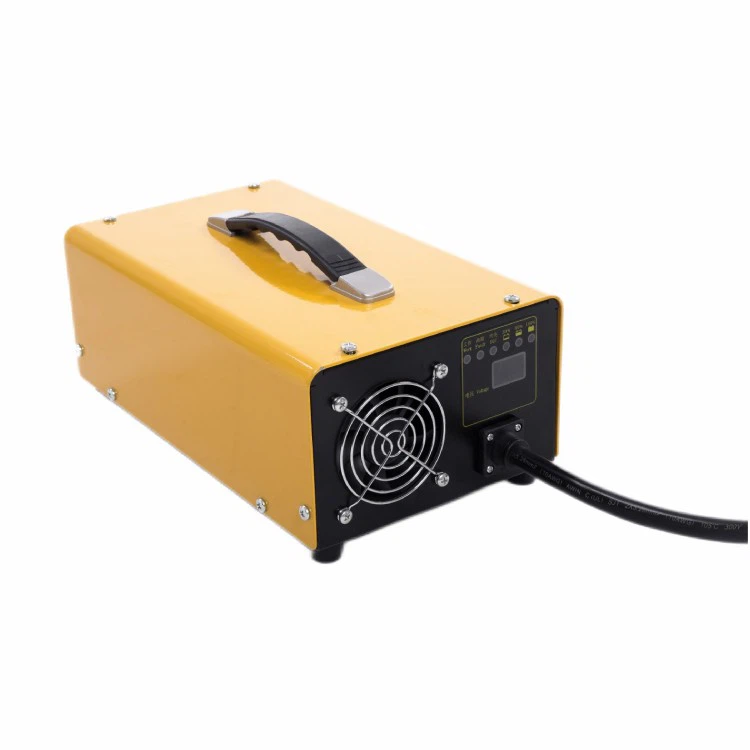
Before delving into the transportation process, it's essential to understand the characteristics of 24V forklift chargers. These chargers are typically heavy, contain electrical components, and may be sensitive to shock and vibration. They are designed to charge forklift batteries efficiently, but improper handling during transportation can lead to damage, which may affect their performance and safety.
Pre - transportation Preparations
Inspection
Before packing the charger for transportation, conduct a thorough inspection. Check for any visible signs of damage, loose parts, or frayed wires. If any issues are detected, address them before shipping. This not only ensures the safety of the charger during transit but also reduces the risk of problems when the charger reaches the customer.
Disconnection
If the charger has been in use, make sure it is completely disconnected from the power source and the forklift battery. This prevents any electrical shorts or malfunctions during transportation. Also, remove any detachable parts, such as cables and connectors, and pack them separately in a secure container. This helps prevent damage to these components and makes it easier to assemble the charger at the destination.
Cleaning
Clean the charger to remove any dirt, dust, or debris. This not only gives the charger a professional appearance but also helps prevent any foreign particles from entering the charger during transportation and causing damage. Use a dry cloth or a mild cleaning solution as recommended by the manufacturer.
Packing the Charger
Selecting the Right Packaging Materials
Choose a sturdy and appropriate-sized box for the charger. The box should be able to withstand the weight of the charger and provide sufficient protection against external impacts. Foam padding, bubble wrap, or packing peanuts can be used to line the box and create a cushioning layer around the charger. Place the charger in the center of the box to ensure even distribution of the protective materials.
Securing the Charger
Once the charger is placed in the box, use additional padding or straps to secure it in place. This prevents the charger from moving around inside the box during transportation, which could lead to damage. Make sure the charger is tightly packed so that it doesn't shift even if the box is subjected to rough handling.
Labeling
Clearly label the box with the product name (24V forklift charger), its weight, and any handling instructions. Labels such as "Fragile," "This Side Up," and "Handle with Care" can help ensure that the carrier handles the package appropriately.
Choosing the Right Carrier
Reputation and Experience
Select a carrier with a good reputation for handling heavy and sensitive equipment. Look for carriers that have experience in transporting electrical goods. Read reviews and ask for recommendations from other businesses in the industry. A reliable carrier is more likely to take proper care of your charger during transit.
Insurance
Consider purchasing insurance for the charger during transportation. This provides financial protection in case the charger is damaged or lost during transit. Make sure to understand the terms and conditions of the insurance policy, including the coverage amount and any exclusions.
Tracking
Choose a carrier that offers tracking services. This allows you to monitor the progress of the shipment and keep the customer informed about the estimated delivery time. Tracking also helps in case of any delays or issues during transportation, as you can quickly identify the problem and take appropriate action.
In - transit Considerations
Temperature and Humidity
Be aware of the environmental conditions during transportation. Extreme temperatures and high humidity can damage the charger's electrical components. If possible, choose a carrier that offers climate - controlled transportation for sensitive equipment. If not, ensure that the packaging provides some level of protection against these environmental factors.
Vibration and Shock
During transit, the charger may be subjected to vibrations and shocks, especially when transported by road or air. The padding and secure packing should help absorb these impacts, but it's still important to choose a carrier that takes measures to minimize vibrations. For example, some carriers use specialized suspension systems on their trucks to reduce the impact of bumps on the cargo.
Unloading and Installation at the Destination
Inspection upon Arrival
When the charger arrives at the destination, the customer should inspect it immediately for any signs of damage during transportation. Check the box for any visible signs of impact, and then open the box and examine the charger and its components. If any damage is found, document it with photos and contact the carrier and our company as soon as possible.

Professional Installation
It is recommended that the charger be installed by a qualified technician. The technician should follow the manufacturer's instructions carefully to ensure proper installation and safe operation. This reduces the risk of electrical hazards and ensures that the charger functions correctly.
Conclusion
Transporting a 24V forklift charger safely requires careful planning, proper packing, and choosing the right carrier. By following these guidelines, we can minimize the risk of damage during transportation and ensure that our customers receive a high - quality and fully functional charger.
If you are interested in our 24V Series Forklift Battery Charger, or other products such as 36V Portable Battery Charger and 12V On Board Battery Charger, please feel free to contact us for more information and to discuss your procurement needs. We are committed to providing you with the best products and services.
References
- Manufacturer's manuals for 24V forklift chargers
- Industry standards for the transportation of electrical equipment
- Best practices in packaging and shipping heavy machinery