

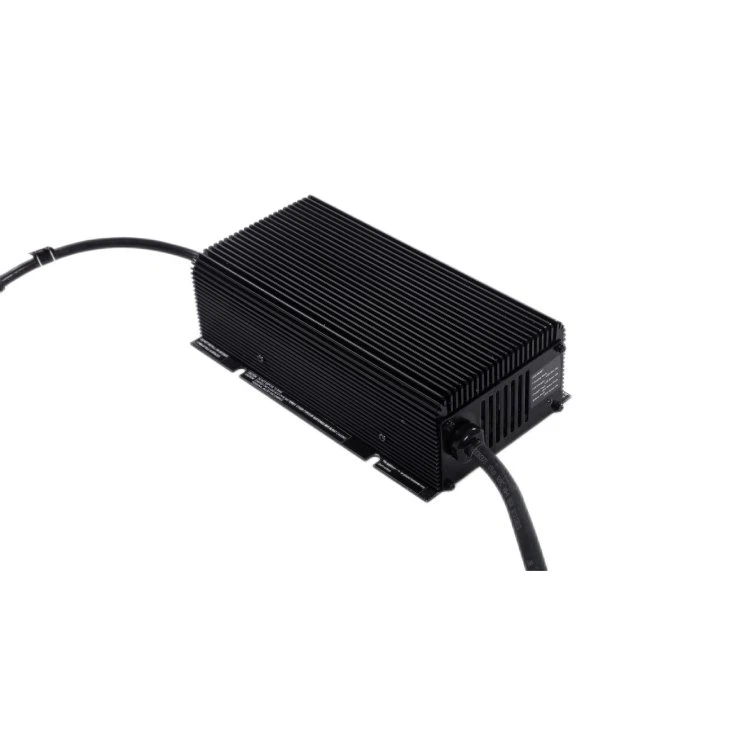
As a supplier of 24V forklift chargers, I often encounter customers facing issues with low charging current. This problem can significantly impact the efficiency and productivity of forklifts, so it's crucial to troubleshoot and resolve it promptly. In this blog post, I'll share some effective ways to troubleshoot a 24V forklift charger with low charging current.

Check the Power Source
The first step in troubleshooting is to examine the power source. A stable and appropriate power supply is essential for the proper functioning of the charger.
- Verify Voltage and Amperage: Ensure that the input voltage and amperage of the power source match the charger's requirements. A 24V forklift charger typically requires a specific voltage range, and a deviation from this range can lead to low charging current. Use a multimeter to measure the voltage at the power outlet. If the voltage is too low, it could be due to an overloaded circuit, a faulty breaker, or issues with the electrical grid. In such cases, you may need to consult an electrician to address the problem.
- Inspect the Power Cord: Examine the power cord for any signs of damage, such as cuts, frays, or loose connections. A damaged power cord can cause resistance in the electrical circuit, reducing the charging current. If you find any damage, replace the power cord immediately with a high - quality, appropriately rated cord.
Examine the Battery
The forklift battery itself can be a source of the low - charging - current problem.
- Check Battery Health: Over time, forklift batteries can degrade, leading to reduced capacity and charging issues. Use a battery hydrometer to measure the specific gravity of the battery cells. Low specific gravity can indicate a sulfated or worn - out battery. If the battery is old or severely damaged, it may need to be replaced.
- Inspect Battery Connections: Loose, corroded, or dirty battery connections can increase resistance and limit the charging current. Clean the battery terminals using a wire brush and a solution of baking soda and water to remove corrosion. Tighten the connections securely to ensure good electrical contact.
Evaluate the Charger Components
The internal components of the charger can also contribute to low charging current.
- Inspect the Fuses: Fuses are designed to protect the charger from electrical overloads. A blown fuse can disrupt the charging process and result in low current. Locate the fuse box on the charger and check the fuses. If a fuse is blown, replace it with a fuse of the same rating.
- Check the Rectifier: The rectifier converts alternating current (AC) from the power source into direct current (DC) for charging the battery. A faulty rectifier can produce insufficient DC output, leading to low charging current. Use a multimeter to test the rectifier's output voltage. If the voltage is abnormal, the rectifier may need to be replaced.
- Examine the Control Board: The control board regulates the charging process and monitors various parameters. A malfunctioning control board can cause the charger to deliver low charging current. Look for any signs of damage, such as burnt components or loose connections, on the control board. If you suspect a problem with the control board, it's best to consult a professional technician for repair or replacement.
Consider the Charging Environment
The environment in which the charger operates can affect its performance.
- Temperature: Extreme temperatures can impact the charger's efficiency. High temperatures can cause the charger to overheat and reduce its output, while low temperatures can increase the internal resistance of the battery and the charger components. Ensure that the charger is installed in a well - ventilated area with a temperature range within the manufacturer's specifications.
- Dust and Debris: Accumulated dust and debris on the charger can block ventilation holes and cause overheating. Regularly clean the charger using a soft brush or compressed air to remove dust and debris.
Use Diagnostic Tools
Many modern 24V forklift chargers are equipped with diagnostic features that can help identify the source of the problem.
- Error Codes: Check the charger's display for any error codes. These codes can provide valuable information about the specific issue, such as a fault in the charging circuit or a problem with the battery sensor. Refer to the charger's user manual to interpret the error codes and take appropriate action.
- Data Logging: Some chargers have data - logging capabilities that record charging parameters over time. Analyzing this data can help you identify trends and potential issues, such as a gradual decrease in charging current.
Conclusion
Troubleshooting a 24V forklift charger with low charging current requires a systematic approach. By checking the power source, battery, charger components, charging environment, and using diagnostic tools, you can identify and resolve the problem effectively.
As a reliable supplier of 24V forklift chargers, we offer a wide range of high - quality products, including the 24V Series Forklift Battery Charger, Aerial Work Platform Chargers, and 48V On Board Battery Charger. Our chargers are designed to provide efficient and reliable charging for your forklifts and other equipment.
If you are experiencing charging issues or are looking to purchase a new charger, we encourage you to contact us for a detailed consultation. Our team of experts is ready to assist you in finding the best solution for your needs.
References
- Forklift Battery Charger Manufacturer's Manuals
- Electrical Engineering Textbooks on Power Supply and Charging Systems
- Industry Publications on Forklift Maintenance and Troubleshooting


