What is an electric meter? At its core, an electric meter is a device that measures the amount of electric energy consumed by a residence, a business, or an electrically powered device. As a dedicated electric meter supplier, I am thrilled to delve into the intricacies of these essential devices, exploring their types, functions, and the significance they hold in our daily lives and the broader energy ecosystem.
Types of Electric Meters
Electromechanical Meters
One of the earliest types of electric meters, electromechanical meters, also known as induction meters, have been in use for over a century. These meters operate based on the principle of electromagnetic induction. They consist of a rotating aluminum disk that is placed between two electromagnets. The current - carrying coil and the voltage - carrying coil create a magnetic field that causes the disk to rotate. The number of rotations is proportional to the amount of electrical energy consumed. The rotation is then translated into a reading on a series of dials, which can be manually read by a meter reader.
While electromechanical meters are simple in design and relatively inexpensive to manufacture, they have some limitations. They are less accurate compared to modern digital meters, especially at low load levels. Also, they are more prone to mechanical wear and tear over time, which can affect their accuracy.
Digital Meters
Digital electric meters have revolutionized the way we measure and monitor electricity consumption. These meters use solid - state technology to measure the electrical energy. They are equipped with electronic components such as microcontrollers and analog - to - digital converters, which can accurately measure the voltage, current, and power factor. The measured data is then processed and displayed on a digital screen, providing a clear and easy - to - read measurement of the electricity consumed.
Digital meters offer several advantages over electromechanical meters. They are highly accurate, even at low load levels, and can provide real - time data on electricity consumption. They can also be easily integrated with communication systems, allowing for remote meter reading and monitoring. This feature is particularly useful for utility companies, as it reduces the need for manual meter reading and enables them to manage their electricity distribution more efficiently.
Smart Meters
Smart meters are the latest evolution in electric meter technology. These meters are essentially advanced digital meters that are equipped with two - way communication capabilities. They can communicate with the utility company's network in real - time, sending data on electricity consumption and receiving information such as time - of - use pricing.
Smart meters offer a range of benefits for both consumers and utility companies. For consumers, smart meters provide detailed information on their electricity usage patterns, allowing them to make more informed decisions about their energy consumption and potentially save on their electricity bills. For utility companies, smart meters enable more accurate billing, better load management, and the ability to detect and respond to power outages more quickly.
Functions of Electric Meters
Measuring Electricity Consumption
The primary function of an electric meter is to measure the amount of electrical energy consumed by a user. This measurement is typically expressed in kilowatt - hours (kWh). By accurately measuring the electricity consumption, electric meters enable utility companies to bill their customers based on the amount of energy they have used.
Monitoring Power Quality
In addition to measuring electricity consumption, some advanced electric meters, especially smart meters, can also monitor the quality of the electrical power. They can measure parameters such as voltage fluctuations, frequency variations, and harmonics. Monitoring power quality is important because poor power quality can cause damage to electrical equipment and affect the performance of electrical systems.
Providing Data for Energy Management
Electric meters, especially digital and smart meters, can provide valuable data for energy management. By analyzing the electricity consumption data, consumers can identify areas where they can reduce their energy usage, such as by using energy - efficient appliances or adjusting their usage patterns. Utility companies can also use this data to optimize their electricity distribution and plan for future energy demands.

Significance of Electric Meters
In the Energy Sector
Electric meters play a crucial role in the energy sector. They are the key link between the electricity producers and the consumers. By accurately measuring the electricity consumption, electric meters ensure that consumers are billed fairly for the energy they use. They also provide valuable data for utility companies, which can be used to manage their electricity generation, transmission, and distribution more efficiently.
For Consumers
For consumers, electric meters are essential for understanding their electricity usage and managing their energy costs. By having access to accurate information on their electricity consumption, consumers can make informed decisions about their energy usage and take steps to reduce their energy bills. For example, they can choose to use energy - efficient appliances or adjust their usage patterns based on time - of - use pricing.
In Environmental Conservation
Electric meters also have a significant impact on environmental conservation. By providing consumers with information on their electricity consumption, they can encourage more responsible energy usage. This, in turn, can help to reduce the demand for electricity and lower the carbon emissions associated with electricity generation.
Our Electric Meter Products
As an electric meter supplier, we offer a wide range of high - quality electric meters to meet the diverse needs of our customers. Our product portfolio includes digital meters, smart meters, and specialized meters such as the Battery Discharge Indicator ESDL906 and the Battery Discharge Indicator ESDL803.
Our digital meters are known for their accuracy, reliability, and ease of use. They are suitable for both residential and commercial applications and can provide real - time data on electricity consumption. Our smart meters, on the other hand, offer advanced features such as two - way communication, remote monitoring, and time - of - use pricing. They are ideal for utility companies and large - scale consumers who require more sophisticated energy management solutions.
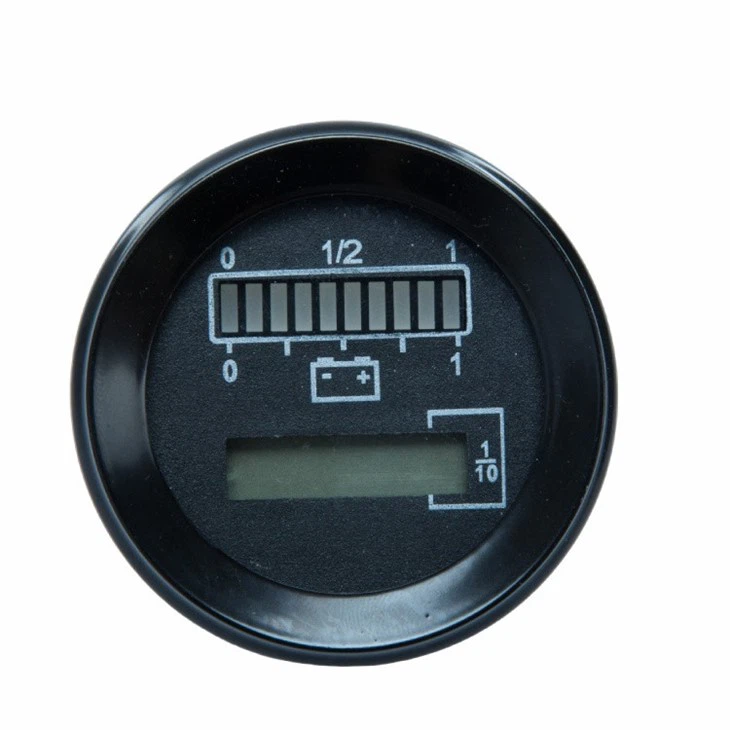
The Battery Discharge Indicator ESDL906 and the Battery Discharge Indicator ESDL803 are specialized meters designed for monitoring the discharge of batteries. These meters are essential for applications such as renewable energy systems, electric vehicles, and uninterruptible power supplies. They can provide accurate information on the battery's state of charge, discharge rate, and remaining capacity, helping to ensure the efficient and safe operation of the battery - powered systems.
Contact Us for Purchase and Consultation
If you are in the market for high - quality electric meters, we invite you to contact us for purchase and consultation. Our team of experts is dedicated to providing you with the best products and services to meet your specific needs. Whether you are a residential customer looking for a simple digital meter or a utility company in need of a large - scale smart meter solution, we have the expertise and the products to serve you.
References
- "Electricity Metering: Principles and Practice" by John J. Carroll
- "Smart Grid: Fundamentals of Design and Analysis" by Ali Keyhani
- Various industry reports and research papers on electric meter technology and energy management.