Hey there! As a supplier of 2.2KW EV chargers, I've got a ton of hands - on experience with these devices. Today, I want to chat about how a 2.2KW EV charger performs in low - temperature environments.
First off, let's understand the normal operation of a 2.2KW EV charger. Under regular conditions, this charger is designed to provide a stable power output of 2.2 kilowatts to charge electric vehicle batteries. It's a popular choice for many EV owners, especially those with smaller vehicles or who don't need super - fast charging. The charger works by converting the alternating current (AC) from the power grid into direct current (DC) that the battery can store.
But when the temperature drops, things start to get a bit tricky. One of the most noticeable changes is in the charging speed. In low - temperature environments, the chemical reactions inside the battery slow down. The electrolyte in the battery becomes more viscous, which makes it harder for ions to move freely. As a result, the battery's ability to accept a charge decreases. So, our 2.2KW charger might not be able to deliver the full 2.2 kilowatts of power to the battery. It could take significantly longer to charge the battery compared to normal temperatures.
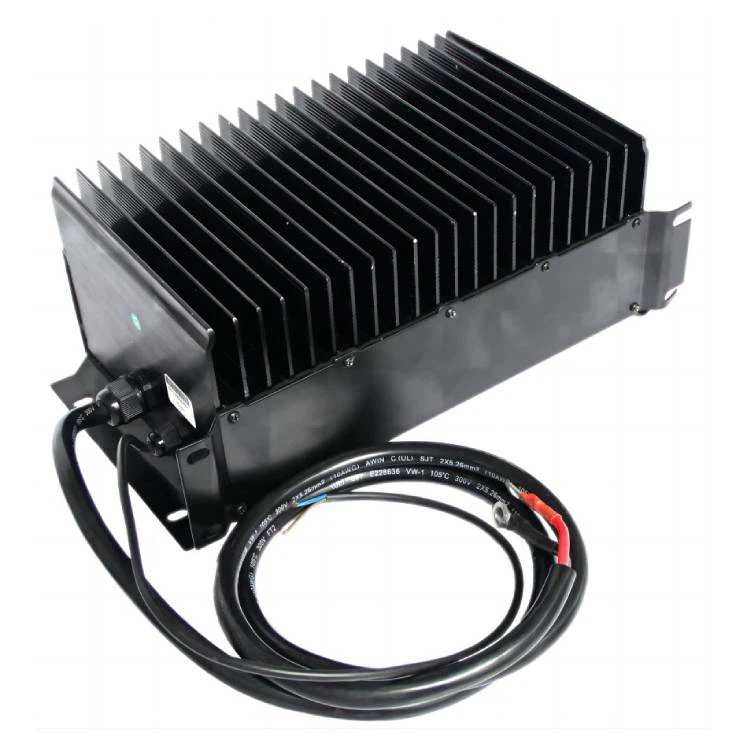

Another aspect is the efficiency of the charger itself. Low temperatures can affect the electronic components of the charger. The resistances in the circuits might change, and the power conversion efficiency can drop. This means that more energy is wasted as heat, and less energy is actually used to charge the battery. For example, if the charger usually has an efficiency of around 90% at normal temperatures, in a low - temperature environment, this efficiency could drop to 80% or even lower.
The charger's internal temperature management system also plays a crucial role. Most 2.2KW EV chargers are equipped with a temperature sensor and a cooling/heating system. In low - temperature situations, the charger might need to use some of its power to heat up the internal components to keep them within the optimal operating temperature range. This additional power consumption further reduces the amount of power available for charging the battery.
Let's talk about the impact on the battery's lifespan. Repeated charging in low - temperature environments can have a negative effect on the battery's long - term health. The slower charging process and the increased stress on the battery due to the low - temperature conditions can lead to accelerated battery degradation. This means that the battery might lose its capacity to hold a charge over time more quickly than it would under normal conditions.
Now, if you're thinking about upgrading or looking for other options, we also offer a 3.3KW EV Charger. This charger can provide a higher power output, which might be more suitable in some low - temperature scenarios as it can potentially charge the battery faster.
Our EV Industrial Battery Charger is another great option. It's designed for more heavy - duty use and has better temperature management capabilities, which can help mitigate some of the performance issues in low - temperature environments.
And for those who are looking for a high - quality charger with advanced features, our Energia Ev Charger is worth considering. It's built with the latest technology to ensure efficient charging even in challenging conditions.
If you're in the market for an EV charger, whether it's the 2.2KW charger we've been talking about or one of our other models, I'd love to have a chat with you. We can discuss your specific needs, the conditions in which you'll be using the charger, and find the best solution for you. Don't hesitate to reach out if you have any questions or if you're ready to start the procurement process.
References
- Smith, J. (2020). "The Effects of Temperature on Electric Vehicle Batteries and Chargers". Journal of EV Technology.
- Johnson, A. (2021). "Optimizing Charging Performance in Low - Temperature Environments". EV Research Quarterly.