

Can a 3.3KW EV charger be used with a solar power system?
In recent years, the world has witnessed a significant shift towards sustainable energy solutions, with solar power emerging as a prominent player in the renewable energy landscape. Concurrently, the adoption of electric vehicles (EVs) has been on the rise, driven by concerns about environmental impact and the need for more efficient transportation. As a result, many EV owners are exploring the possibility of using solar power to charge their vehicles, and a common question that arises is whether a 3.3KW EV charger can be used with a solar power system. In this blog post, we will delve into this topic, exploring the technical aspects, benefits, and considerations of using a 3.3KW EV charger with a solar power system.
Technical Compatibility
To understand whether a 3.3KW EV charger can be used with a solar power system, it is essential to first understand the basic principles of both technologies. A 3.3KW EV charger is designed to deliver a charging power of 3.3 kilowatts to an electric vehicle's battery. This charging power determines the rate at which the battery is charged, with higher power chargers generally able to charge the battery more quickly.
On the other hand, a solar power system consists of solar panels, an inverter, and a battery storage system (optional). Solar panels convert sunlight into direct current (DC) electricity, which is then converted into alternating current (AC) electricity by the inverter. The AC electricity can be used to power various electrical devices, including EV chargers.
The compatibility between a 3.3KW EV charger and a solar power system depends on several factors, including the power output of the solar panels, the capacity of the inverter, and the availability of sunlight. In general, a solar power system with a sufficient power output can be used to power a 3.3KW EV charger. However, it is important to ensure that the solar power system is properly sized and configured to meet the charging requirements of the EV.
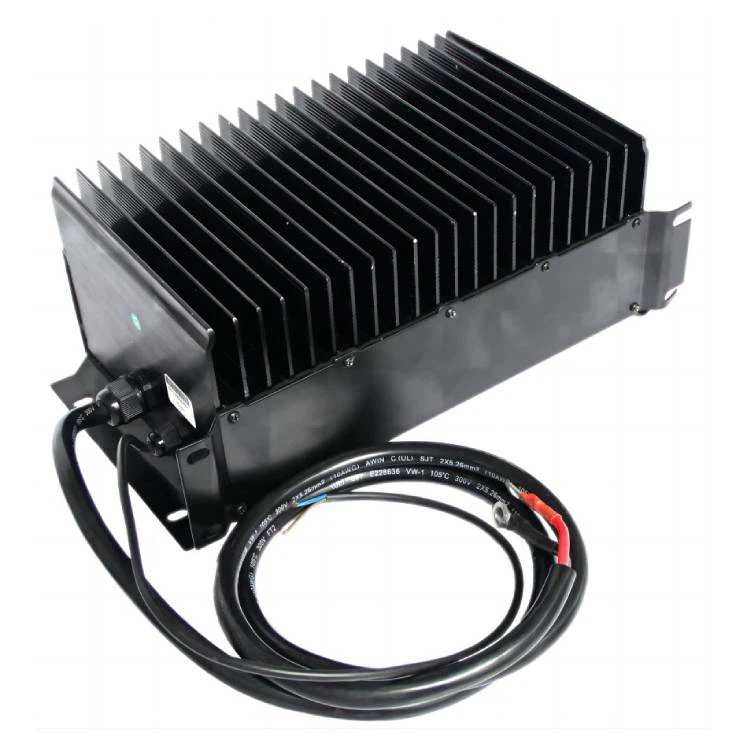

Benefits of Using a 3.3KW EV Charger with a Solar Power System
There are several benefits to using a 3.3KW EV charger with a solar power system, including:
- Cost Savings: By using solar power to charge your EV, you can significantly reduce your electricity costs. Solar power is a free and renewable energy source, which means that you can avoid paying for grid electricity. Over time, the cost savings can be substantial, especially if you drive your EV frequently.
- Environmental Sustainability: Using solar power to charge your EV is a more environmentally friendly option compared to using grid electricity. Solar power produces zero greenhouse gas emissions, which helps to reduce your carbon footprint and contribute to a cleaner and more sustainable environment.
- Energy Independence: By having your own solar power system, you can become more energy independent. You are not reliant on the grid for your electricity needs, which means that you can continue to charge your EV even during power outages or grid disruptions.
- Increased Home Value: Installing a solar power system and a 3.3KW EV charger can increase the value of your home. Many homebuyers are looking for energy-efficient and sustainable features, and having a solar power system and an EV charger can make your home more attractive to potential buyers.
Considerations When Using a 3.3KW EV Charger with a Solar Power System
While there are many benefits to using a 3.3KW EV charger with a solar power system, there are also some considerations that you need to keep in mind:
- Solar Panel Size and Output: The size and output of your solar panels will determine the amount of electricity that your solar power system can generate. To ensure that your solar power system can meet the charging requirements of your EV, you need to have enough solar panels with a sufficient power output.
- Inverter Capacity: The inverter is responsible for converting the DC electricity generated by the solar panels into AC electricity that can be used to power your EV charger. You need to ensure that the inverter has a sufficient capacity to handle the power output of the solar panels and the charging power of the EV charger.
- Battery Storage: If you want to charge your EV at night or during periods of low sunlight, you may need to install a battery storage system. A battery storage system allows you to store the excess electricity generated by the solar panels during the day and use it to charge your EV when needed.
- Charging Time: The charging time of your EV will depend on the charging power of the charger and the capacity of the battery. A 3.3KW EV charger may take longer to charge your EV compared to a higher power charger. However, if you have a solar power system, you can take advantage of the free and renewable energy source to charge your EV over a longer period of time.
As a 3.3KW EV Charger Supplier
As a supplier of 3.3KW EV Chargers, we understand the importance of providing high-quality and reliable charging solutions for electric vehicles. Our 3.3KW EV chargers are designed to be compatible with a wide range of electric vehicles and can be easily integrated with solar power systems.
We also offer a range of other charging solutions, including 48V Industrial Battery Chargers and Portable Car Battery Chargers. Our products are designed to meet the needs of different customers and applications, and we are committed to providing excellent customer service and support.
If you are interested in using a 3.3KW EV charger with a solar power system, or if you have any questions about our products, please do not hesitate to contact us. We would be happy to discuss your specific requirements and provide you with a customized solution that meets your needs.
Conclusion
In conclusion, a 3.3KW EV charger can be used with a solar power system, provided that the solar power system is properly sized and configured to meet the charging requirements of the EV. Using a 3.3KW EV charger with a solar power system offers several benefits, including cost savings, environmental sustainability, energy independence, and increased home value. However, there are also some considerations that you need to keep in mind, such as the solar panel size and output, inverter capacity, battery storage, and charging time.
As a 3.3KW EV charger supplier, we are committed to providing high-quality and reliable charging solutions for electric vehicles. If you are interested in using a 3.3KW EV charger with a solar power system, or if you have any questions about our products, please contact us to discuss your specific requirements. We look forward to working with you to help you achieve your sustainable energy goals.
References
- "Solar Power for Electric Vehicles: A Guide to Charging Your EV with Solar Energy." Available at [Website of relevant solar - EV charging guide]
- "Understanding EV Chargers: Power Ratings and Charging Speeds." Available at [Website of EV charger knowledge base]
- "Designing a Solar Power System for Home Use." Available at [Website of solar system design guide]


